Must-Have Workout Equipment for the Ultimate Home Gym
Working out at home saves time and money compared to going to the gym. Setting up a home gym gives you the freedom to exercise whenever you want, without waiting for equipment or dealing with crowds.
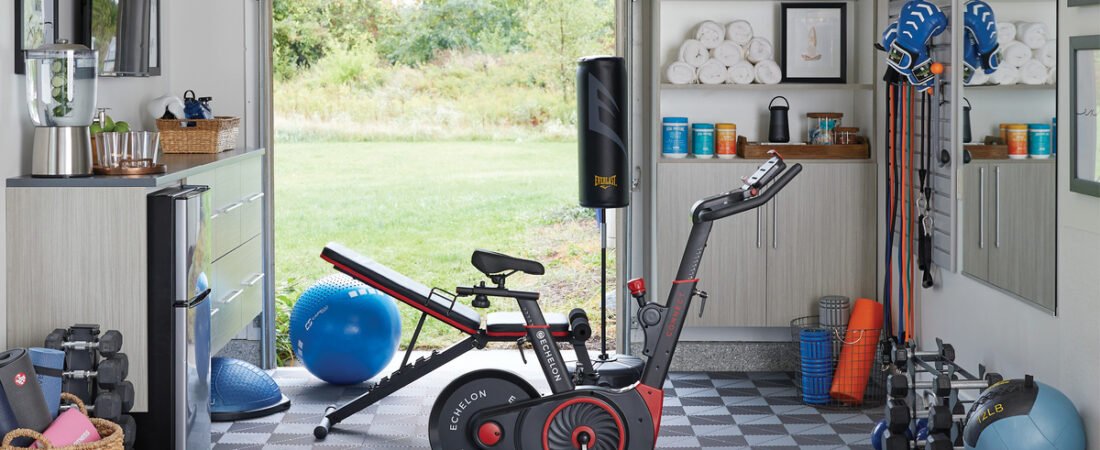
The most effective home workout equipment includes a mix of cardio machines, resistance training tools, and recovery gear to create a complete fitness solution. You can start small with basic items like resistance bands and dumbbells, then add more equipment as your fitness needs grow.
The right home gym setup depends on your space, budget, and fitness goals. Many pieces of modern exercise equipment are designed to be compact and versatile, making them perfect for home use.
Key Takeaways
- Home workout equipment saves time and money while providing convenience and privacy
- A mix of cardio and strength training equipment creates a well-rounded home gym
- Quality equipment with proper maintenance ensures safe and effective workouts
Benefits of At-Home Workout Equipment
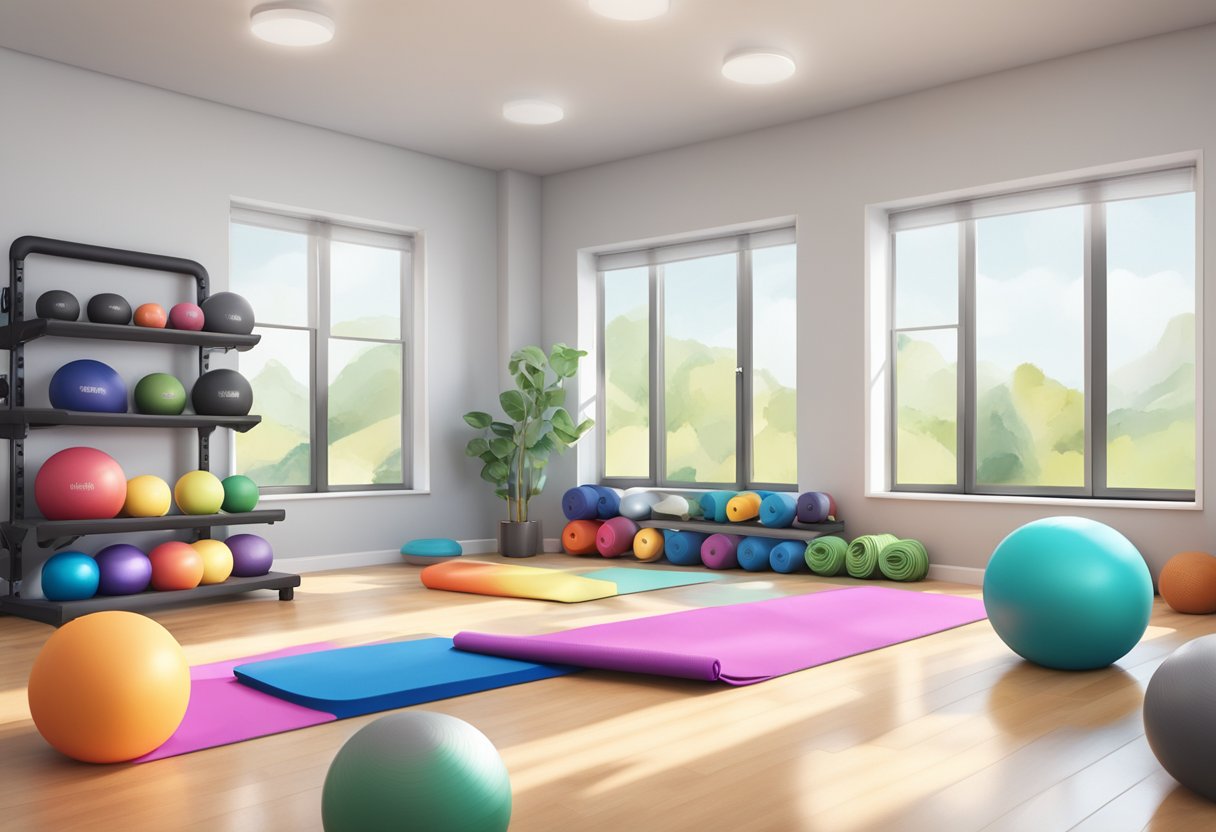
Working out at home saves time and money compared to going to a gym. No waiting in traffic or standing in line for machines means more time for actual exercise.
Home fitness equipment lets people exercise whenever they want. They can work out early in the morning, late at night, or any time that fits their schedule.
Privacy is a big advantage of home workouts. Many people feel more comfortable exercising without others watching them.
Weather doesn’t affect indoor workouts. Rain, snow, or extreme heat won’t stop someone from staying active when they have equipment at home.
The whole family can share home exercise equipment. Parents can teach their children healthy habits while getting fit together.
Key Financial Benefits:
- No monthly gym membership fees
- No transportation costs
- No childcare expenses
- Equipment pays for itself over time
Home workout spaces are always clean and ready to use. People know exactly who has used the equipment and how well it’s been maintained.
Exercise equipment at home makes it easier to stay consistent with fitness goals. Having easy access to workout tools removes many common barriers to regular exercise.
Many pieces of home equipment take up little space. Resistance bands, dumbbells, and yoga mats can fit in a closet or under a bed when not in use.
Cardiovascular Equipment
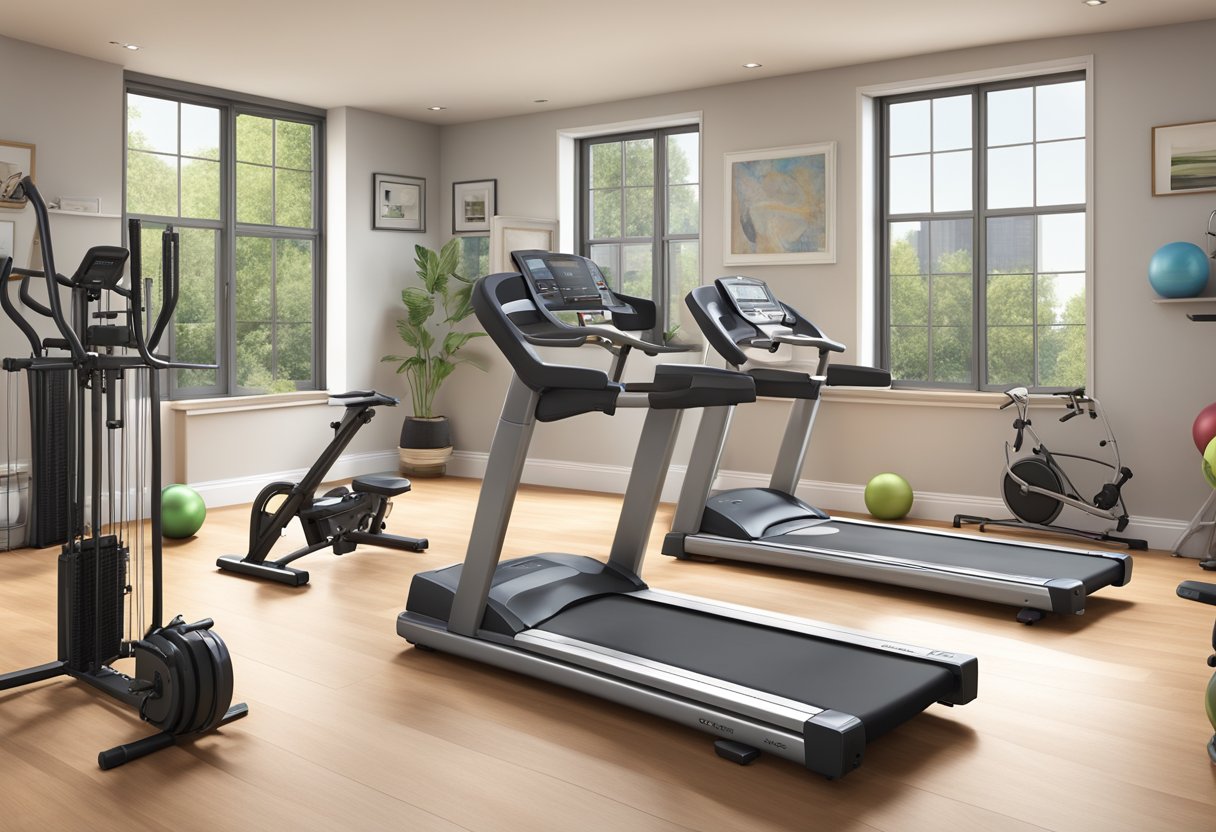
Cardio equipment helps people burn calories and improve heart health from the comfort of their home. These machines provide effective workouts regardless of weather or time constraints.
Treadmills
Treadmills remain the most popular choice for home cardio. Modern treadmills include features like preset programs, heart rate monitoring, and adjustable inclines.
The running surface should measure at least 20 inches wide and 55 inches long for a comfortable stride. Look for models with cushioning to reduce impact on joints.
Most treadmills offer speeds between 0.5 and 12 mph. Advanced models include touchscreens, workout tracking, and virtual routes.
Stationary Bicycles
Stationary bikes take up minimal space while delivering low-impact workouts. Users can choose between upright bikes and recumbent bikes with back support.
Many bikes feature magnetic resistance systems for smooth, quiet operation. Digital displays track speed, distance, time, and calories burned.
Adjustable seats and handlebars ensure proper fit for different users. Smart bikes connect to fitness apps for virtual classes and competitions.
Rowing Machines
Rowing machines provide full-body workouts that engage 86% of muscles. They build strength and endurance while being gentle on joints.
The main resistance types include:
- Air resistance (most common)
- Magnetic resistance
- Water resistance
- Hydraulic resistance
Modern rowers include performance monitors to track stroke rate, speed, and power output. Many fold up for easy storage.
Elliptical Trainers
Elliptical machines combine walking, stair climbing, and skiing motions. The low-impact movement pattern protects knees and ankles.
Key features include adjustable resistance levels and movable handles for upper body engagement. Most models offer both forward and reverse pedaling.
Digital consoles display workout metrics and offer preset programs. Look for machines with at least an 18-inch stride length for natural movement.
Strength Training Equipment
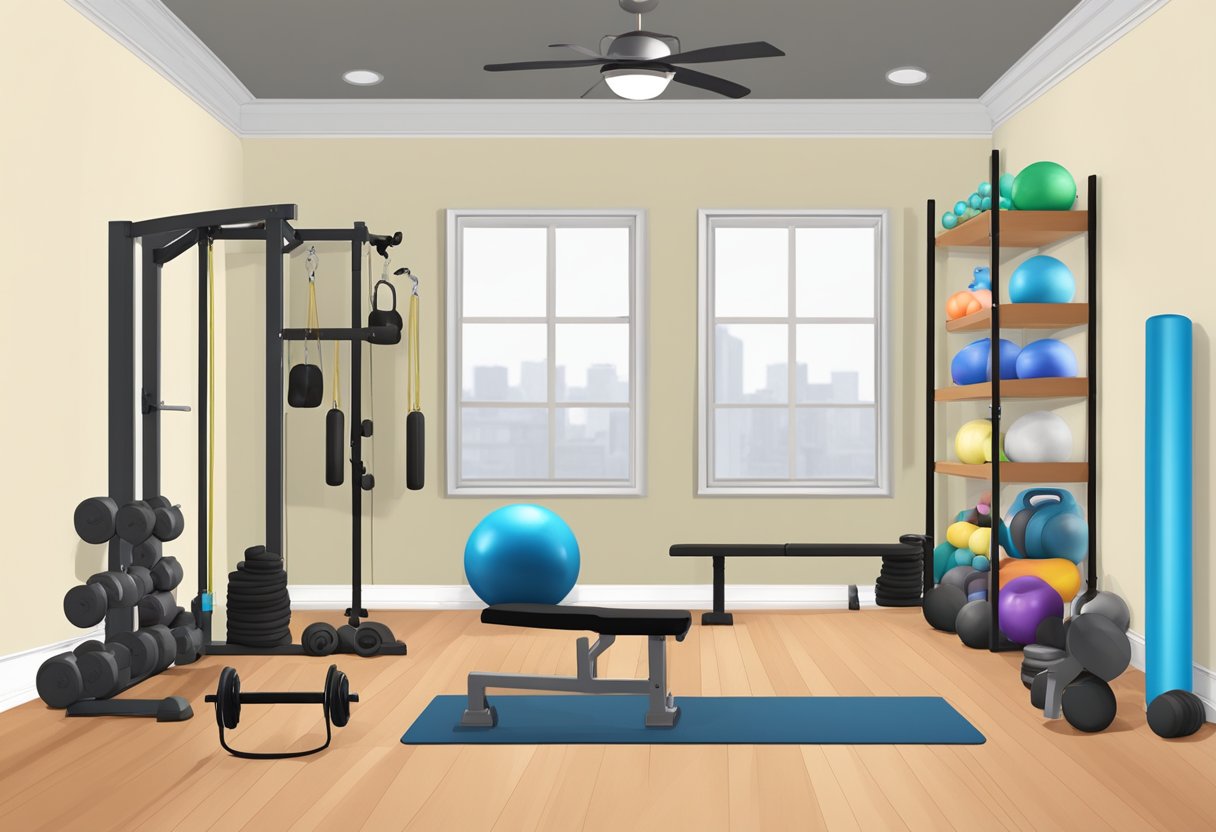
Building strength at home requires reliable equipment that can provide progressive resistance and versatility. The right tools make a big difference in reaching fitness goals.
Adjustable Dumbbells
Adjustable dumbbells save space and money compared to buying multiple pairs of weights. Most models range from 5 to 50 pounds per dumbbell, with quick-change mechanisms for smooth transitions between exercises.
They work well for both upper and lower body exercises. Common movements include chest presses, rows, shoulder presses, and lunges.
The best adjustable dumbbells feature:
- Durable construction
- Quick weight changes
- Comfortable grips
- Secure weight locks
Kettlebells
Kettlebells combine strength and cardio training through dynamic movements. The offset handle design creates unique resistance patterns that challenge stability and core strength.
A single kettlebell allows for many exercises:
- Swings
- Turkish get-ups
- Goblet squats
- Clean and press
Start with a moderate weight (20-35 lbs for most adults) to learn proper form. Add heavier weights as strength improves.
Resistance Bands
Resistance bands provide portable, low-impact strength training. They come in different resistance levels marked by colors, from light to extra heavy.
These bands work well for:
- Pull-aparts for upper back
- Band pulls for shoulders
- Assisted pull-ups
- Lower body exercises
The latex bands pack easily for travel workouts. Many include handles or door attachments for expanded exercise options.
Most people benefit from owning 2-3 different resistance levels. Store bands away from direct sunlight to prevent degradation.
Core Training Equipment
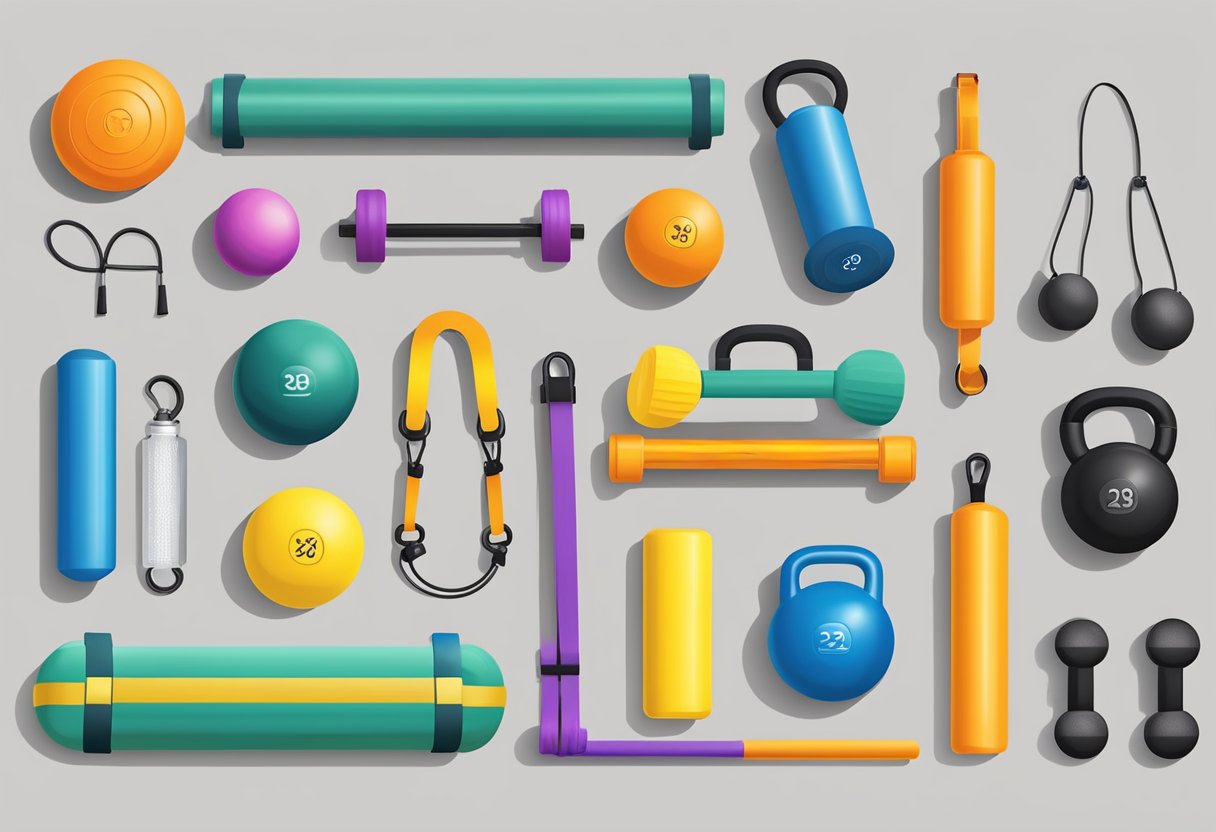
Strong core muscles help with posture, balance, and everyday activities. The right equipment makes core training more effective and fun.
Balance Balls
Balance balls provide an unstable surface that engages core muscles during exercise. The standard size for most adults is 65cm in diameter.
These versatile balls work well for basic moves like crunches and planks. They also add challenge to exercises like push-ups and wall squats.
Using a balance ball as an office chair can improve posture and strengthen core muscles throughout the day. Many people find this helps reduce back pain.
Ab Wheels
Ab wheels are simple yet effective tools for building core strength. The wheel rolls forward and back while your abs work to keep your body stable.
Beginners should start with short rolls from a kneeling position. This builds proper form and prevents strain on the lower back.
Advanced users can try full rollouts from a standing position. This variation requires significant core strength and control.
The low cost and small size make ab wheels ideal for home workouts. They store easily in a closet or under a bed when not in use.
Key features to look for:
- Non-slip rubber wheel
- Comfortable, sturdy handles
- Wide wheel for better stability
- Smooth rolling action
Flexibility and Recovery Tools
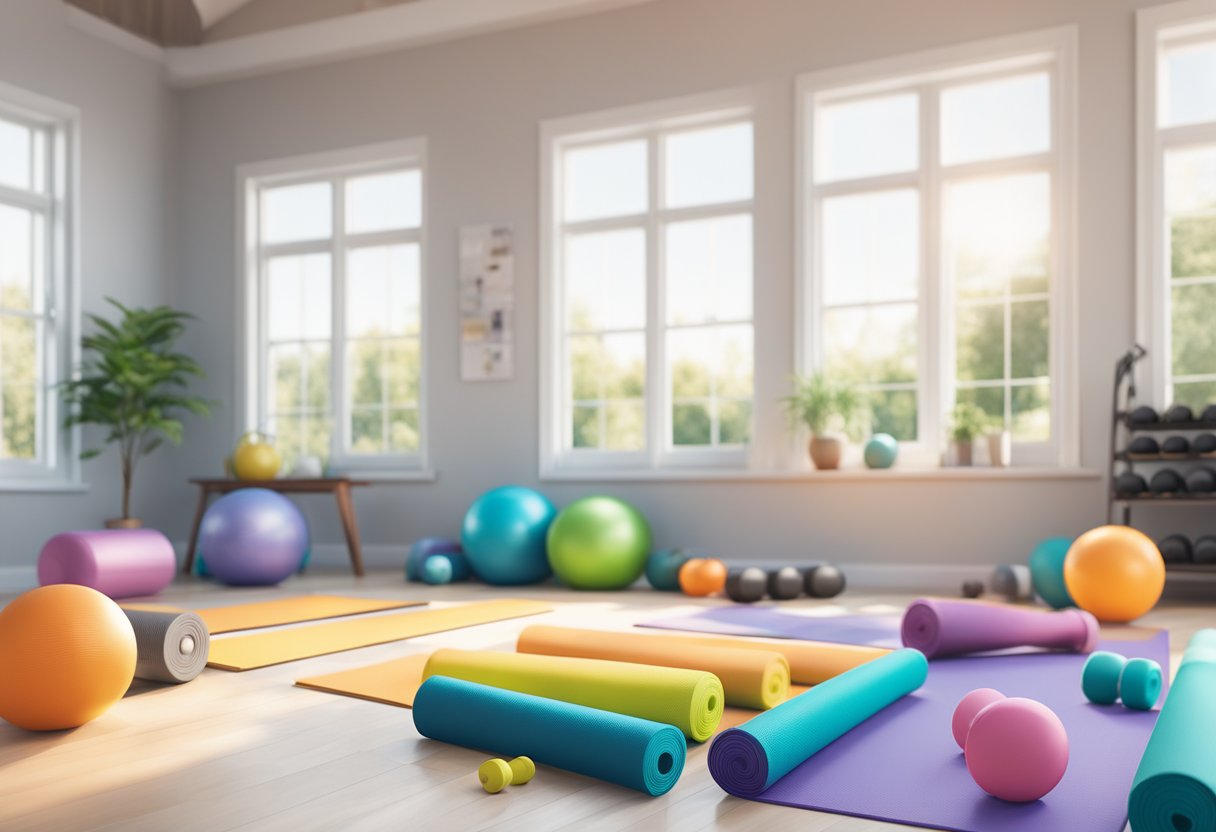
The right tools make stretching and muscle recovery easier and more effective. They help reduce soreness and improve range of motion.
Foam Rollers
Foam rollers come in different densities and textures. Soft rollers work best for beginners, while firm ones provide deeper pressure for tight muscles.
Standard foam rollers measure 36 inches long and 6 inches wide. This size lets users target large muscle groups like the back, legs, and hips.
Rolling helps break up muscle knots and increase blood flow. Users should roll each muscle group for 30-60 seconds, applying steady pressure.
Key Benefits:
- Reduces muscle soreness
- Improves flexibility
- Speeds up recovery time
- Costs $15-40
Yoga Mats
A quality yoga mat provides cushioning and grip for stretching exercises. The standard thickness is 1/8 inch (3mm), which offers good support without too much padding.
Important Features:
- Non-slip surface
- Easy to clean
- Durable material
- Portable design
Most yoga mats range from $20-75. PVC mats last longest, while natural rubber mats offer better grip.
A mat should be at least 68 inches long and 24 inches wide to fit most body sizes. This gives enough space for stretching and basic yoga poses.
Space-Saving Solutions
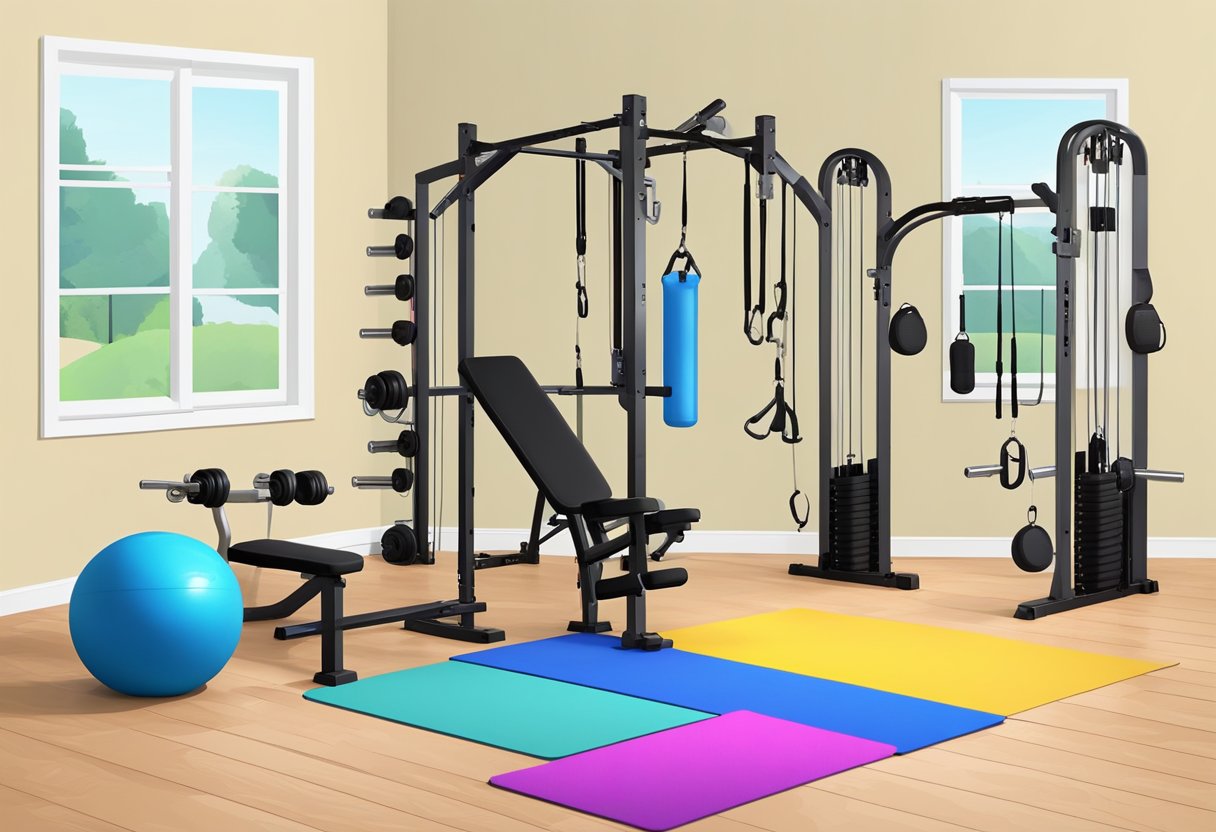
Small spaces need smart fitness equipment choices. A few key items can create an effective home gym without taking up much room.
Doorway Pull-Up Bars
Pull-up bars attach securely to most standard doorframes with minimal installation. Most models use leverage and tension to stay in place without screws or permanent mounting.
These bars often have multiple grip positions for different exercises. Users can perform pull-ups, chin-ups, and hanging leg raises to target various muscle groups.
Many pull-up bars fold away when not in use. The average bar weighs 5-10 pounds and supports up to 300 pounds of weight.
Foldable Workout Benches
Foldable benches offer the same stability as traditional weight benches while saving valuable floor space. Most models collapse to less than 8 inches in height for easy storage under beds or in closets.
These benches support numerous exercises like bench presses, seated rows, and step-ups. Quality models hold 600-800 pounds and include adjustable angles for incline and decline positions.
The average folding bench weighs 20-30 pounds. Many include transport wheels for easy movement between workout spaces and storage areas.
Technology Integration in Workout Equipment
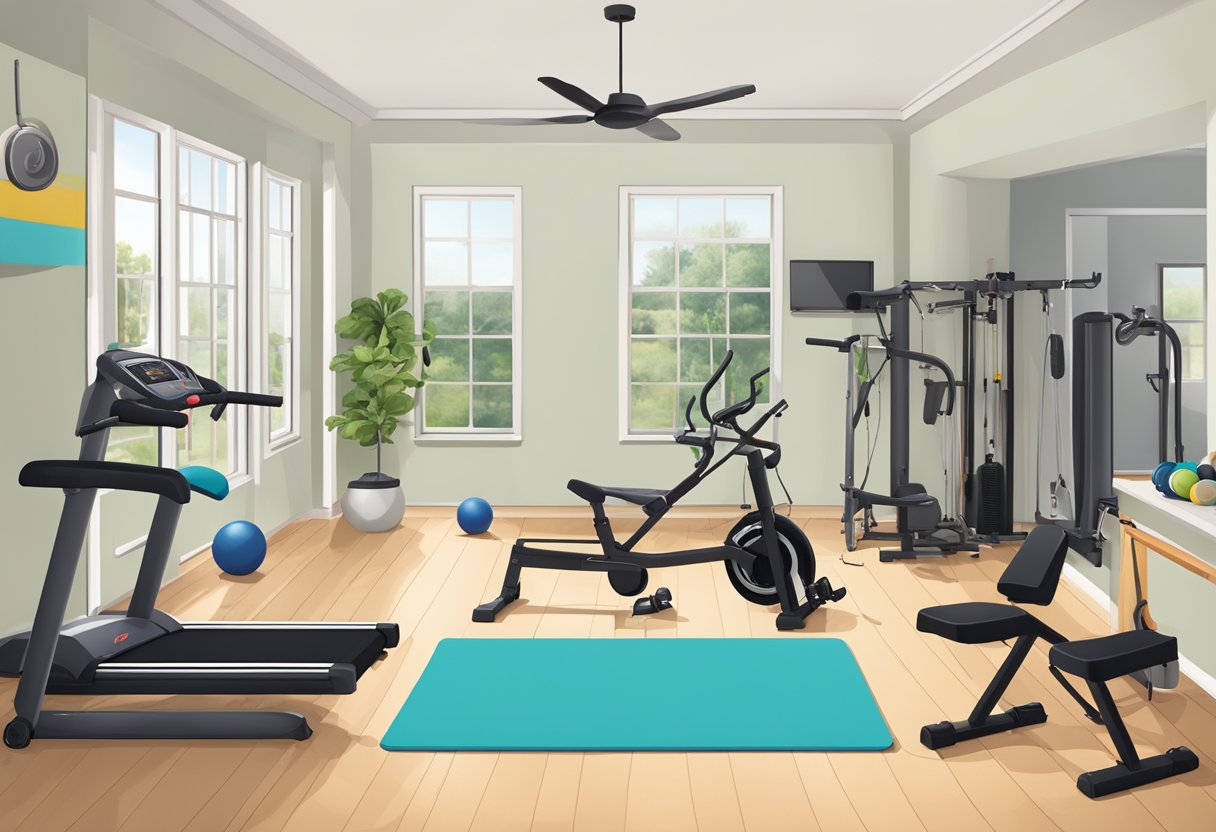
Modern home exercise equipment now comes packed with smart features. Many machines connect to smartphones and tablets through Bluetooth or WiFi.
Popular features include touchscreens that display workout stats and virtual training sessions. Users can track their heart rate, calories burned, and distance covered in real-time.
Connected fitness equipment lets people join live classes from home. Machines like smart treadmills and bikes stream workouts directly to built-in screens.
Key smart features in modern equipment:
- Automatic resistance adjustment
- Performance tracking
- Virtual coaching
- Progress reports
- Social connectivity
Smart mirrors display proper form while working out. They show users side-by-side comparisons to ensure exercises are done correctly.
Many machines now save workout data to apps and fitness platforms. This helps users track their progress over time and set achievable goals.
Voice control allows hands-free operation of equipment settings. Users can adjust speed, resistance, and incline by speaking commands.
The latest tech integrations make home workouts more engaging and effective. Users get real-time feedback and guidance similar to working with a personal trainer.
Maintenance and Care for Home Workout Equipment
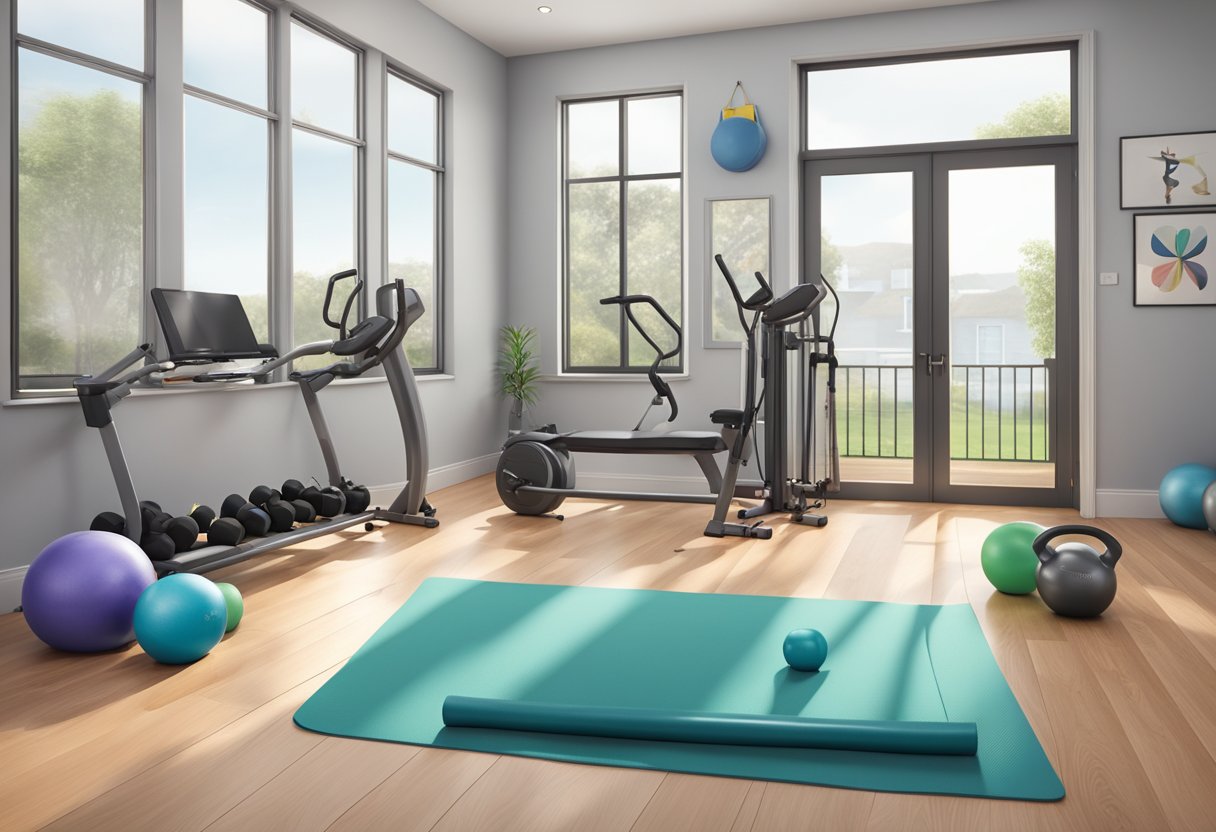
Regular cleaning keeps workout equipment in top shape. Wipe down machines, weights, and mats after each use with a damp cloth and mild cleaning solution.
Check all nuts, bolts, and connections monthly. Tighten any loose parts right away to prevent accidents and extend equipment life.
For cardio machines:
- Lubricate moving parts every 3 months
- Check belts and cables for wear
- Clean under treadmill belts
- Test safety features regularly
Store weights and resistance bands in a cool, dry place. Excessive heat or moisture can damage rubber and plastic components.
Apply a light coat of WD-40 to weight machine cables and pulleys every 6 months. This helps prevent rust and ensures smooth operation.
Essential maintenance supplies:
- Microfiber cloths
- Equipment-specific lubricant
- Basic tool kit
- Cleaning solution
- Silicone spray
Replace worn parts promptly. Frayed cables, cracked bands, or damaged equipment can be dangerous and should not be used.
Keep a maintenance log to track cleaning and repairs. This helps identify patterns and prevents equipment breakdowns.
Professional servicing may be needed once per year for complex machines like treadmills or ellipticals. This keeps warranties valid and ensures safe operation.
Safety Tips When Using Home Workout Equipment
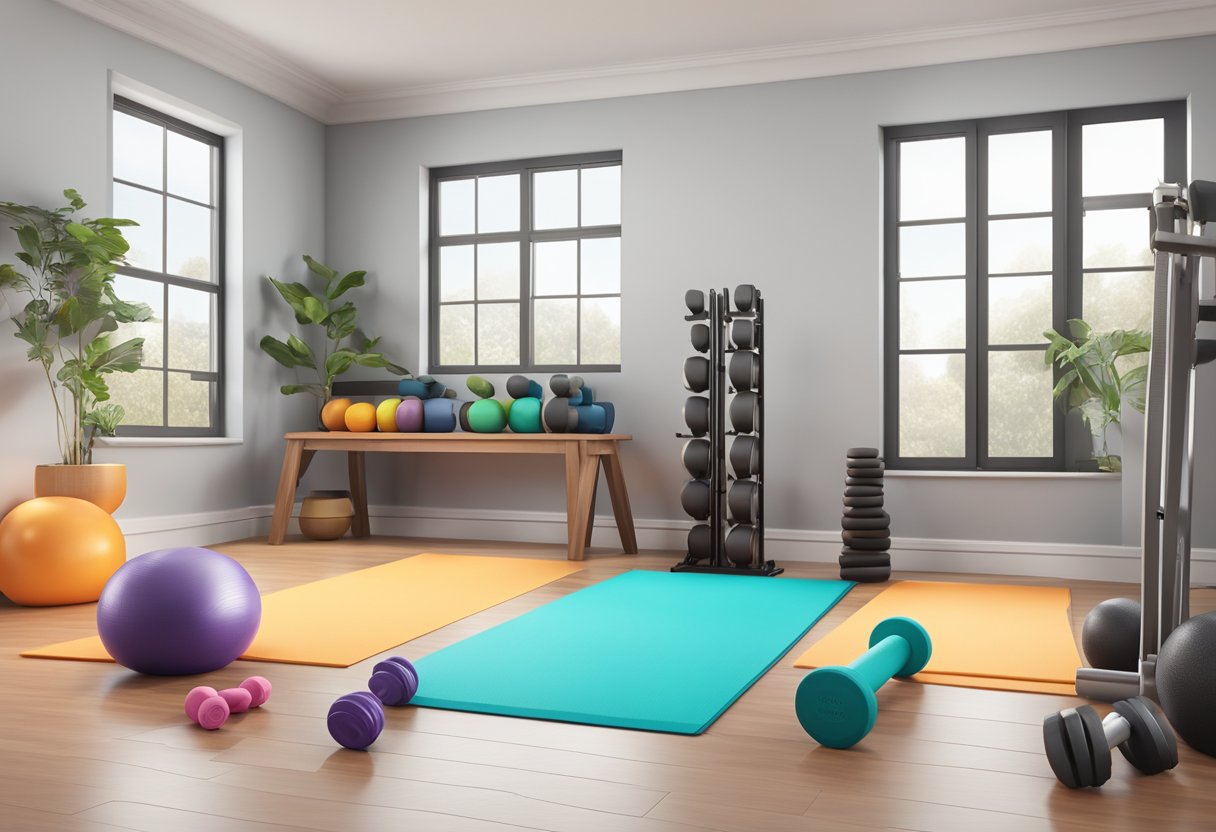
Always read the instruction manual before using any piece of exercise equipment. Following proper guidelines helps prevent injuries and ensures the equipment works correctly.
Keep workout equipment on a flat, stable surface. Make sure there’s enough space around each piece to move freely without hitting walls or furniture.
Essential safety checks before each workout:
- Check for loose bolts or parts
- Look for signs of wear on cables or straps
- Test stability and secure footing
- Clear the area of obstacles
Clean and sanitize equipment regularly. Wipe down surfaces after use to prevent rust and maintain hygiene.
Proper form is critical for safety. Start with lighter weights and master the correct movements before increasing intensity.
Never use broken or damaged equipment. Replace worn parts immediately and perform regular maintenance checks.
Keep children and pets away from workout equipment. Store smaller items like dumbbells and resistance bands in a secure location when not in use.
Wear appropriate workout clothes and shoes. Avoid loose clothing that could get caught in moving parts.
Stay hydrated and listen to your body. Stop exercising if you feel pain or extreme discomfort during a workout.
How to Choose the Right Equipment for Your Fitness Goals
Before buying any workout equipment, think about the available space in your home. Measure the area where you plan to exercise and consider if the equipment needs to be stored away.
Your fitness goals play a key role in equipment selection. Strength training goals require different tools than cardio-focused workouts.
Common fitness goals and recommended equipment:
- Weight Loss: Cardio machines, resistance bands, jump rope
- Muscle Building: Free weights, weight bench, resistance bands
- Flexibility: Yoga mat, foam roller, stability ball
- General Fitness: Mix of cardio and strength equipment
The budget affects equipment choices. Basic items like resistance bands cost under $20, while high-end treadmills can exceed $1,000.
Consider your current fitness level. Beginners might start with simple equipment like dumbbells or resistance bands. More advanced exercisers may need adjustable weights or specialized machines.
Look for equipment that offers different difficulty levels or resistance settings. This allows for progression as strength and fitness improve.
Space-saving options work well in small homes. Foldable treadmills, adjustable dumbbells, and resistance bands take up minimal space.
Read product reviews and check warranty information before buying. Quality equipment lasts longer and provides better value.