
Protein powder supplements play a vital role in fitness goals, from building lean muscle to losing fat. These convenient supplements make it easier to meet daily protein requirements, especially for active people who need extra nutrients to support their workouts.

The most effective protein powders contain 20-30 grams of protein per serving and include essential amino acids that help build and repair muscle tissue. Whey protein leads the pack for muscle growth, while egg white and plant-based options offer good alternatives for those with dietary restrictions.
Timing matters when using protein powder. Taking it within two hours after exercise helps maximize muscle recovery and growth. Many brands now offer specialized formulas that target specific goals like weight management or muscle building, making it simpler to choose the right supplement for individual needs.
Key Takeaways
- Quality protein powders contain 20-30 grams of protein per serving with essential amino acids for muscle growth
- Taking protein powder within two hours after exercise maximizes its benefits
- Different protein sources suit various dietary needs and fitness goals
Understanding Protein Powder
Protein powder provides a convenient way to meet daily protein needs and support fitness goals. These supplements come in several forms and offer specific benefits for muscle growth and fat loss.
Benefits of Protein for Muscle and Fat Loss
Protein helps build and repair muscle tissue after workouts. Each gram of protein contains essential amino acids that act as building blocks for new muscle growth.
Protein increases feelings of fullness, which can reduce total daily calories and support fat loss goals. A high-protein diet helps preserve muscle mass during weight loss.
Studies show consuming protein within 30 minutes after exercise leads to better muscle recovery and growth compared to waiting longer periods.
Key Benefits:
- Supports muscle repair and growth
- Reduces hunger and cravings
- Preserves lean mass during fat loss
- Speeds up post-workout recovery
Types of Protein Powder
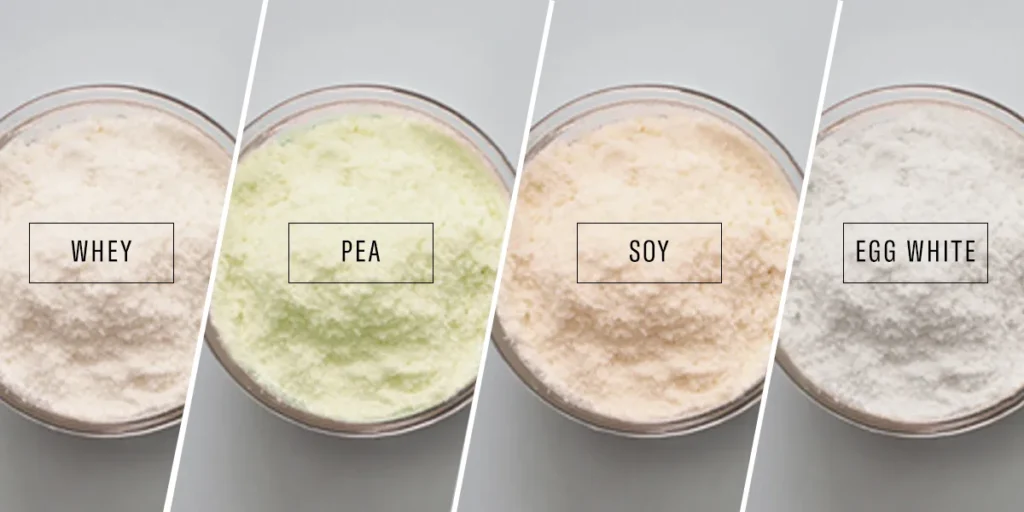
Whey Protein: A fast-digesting dairy protein that mixes easily and tastes good. It contains high levels of muscle-building amino acids.
Casein Protein: Another dairy protein that digests slowly, making it good for nighttime use or between meals.
Plant Proteins: Options like pea, rice, and hemp work well for vegans and those with dairy allergies. These often combine multiple sources to provide complete protein.
Egg White Protein: A dairy-free choice rich in branched-chain amino acids (BCAAs) that support muscle growth.
How Protein Powder Supports Fitness Goals
The right protein timing enhances workout results. Taking protein before exercise provides amino acids during training.
Post-workout protein kicks off muscle recovery. Research suggests consuming 20-30 grams within 2 hours of exercise works best.
Regular protein intake throughout the day maintains muscle mass. Most people need 1.6-2.2 grams per kilogram of body weight daily when training hard.
Mixing protein powder with water or milk creates an easy meal replacement. This helps control calories while meeting protein needs.
Criteria for Choosing Protein Powders
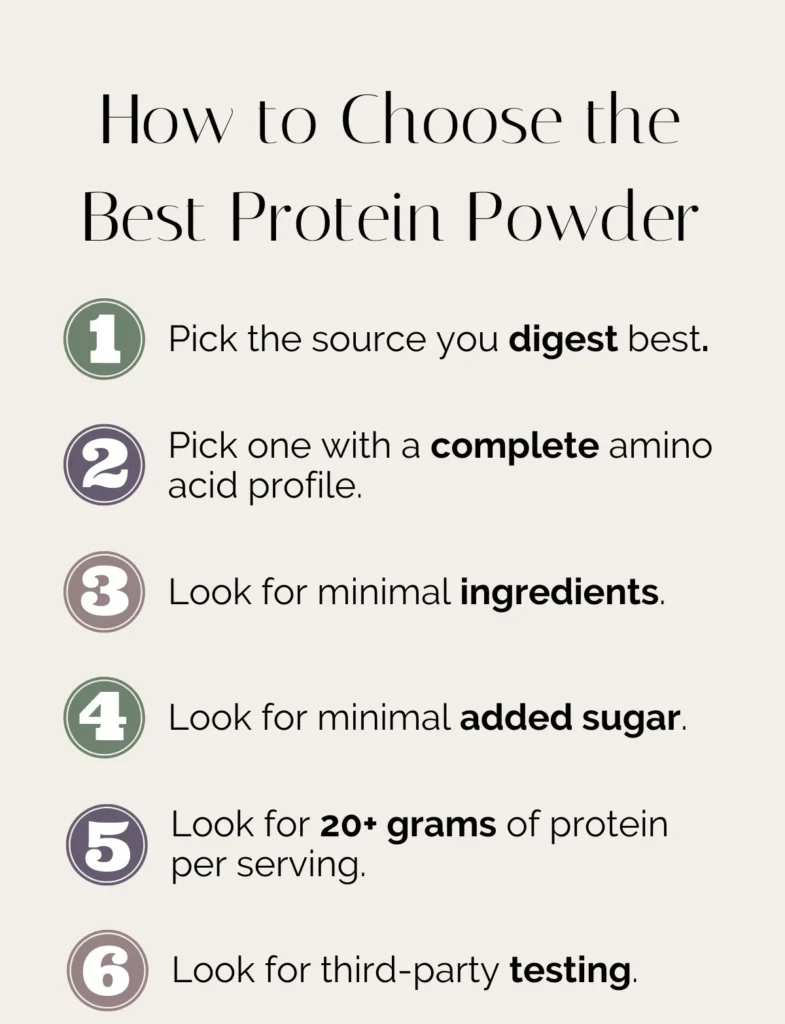
Picking the right protein powder requires careful evaluation of several key factors that affect its effectiveness for muscle growth and fat loss. The quality of protein, ingredients used, nutrient ratios, and practical considerations like taste all play vital roles in making the best choice.
Protein Quality and Absorption
The biological value (BV) of protein measures how well your body can use the protein source. Whey protein has a high BV of 104, while egg protein sits at 100.
Fast-absorbing proteins like whey isolate work best right after workouts. Slower-absorbing proteins like casein prove more effective before bed or between meals.
A complete amino acid profile matters greatly. Look for products with all nine essential amino acids, especially leucine, which triggers muscle protein synthesis.
Ingredient Profile
Check the ingredient list for artificial sweeteners, preservatives, and fillers. These additions might cause digestive issues or unwanted side effects.
Key ingredients to look for:
- Natural sweeteners like stevia
- Digestive enzymes
- Essential vitamins and minerals
Ingredients to avoid:
- Artificial colors
- Added sugars
- Hydrogenated oils
Macronutrient Breakdown
A high protein-to-calorie ratio helps maximize muscle growth while managing weight. Aim for at least 20-25 grams of protein per serving.
For fat loss, choose powders with:
- Less than 3g fat per serving
- Under 5g carbs per serving
- Minimal added sugars
For muscle gain, slightly higher carbs can help with recovery. Look for 5-10g of carbs per serving.
Taste and Mixability
A protein powder must dissolve easily without clumps. Test with both water and milk to check consistency.
Good flavors make daily consumption easier. Popular options include vanilla, chocolate, and strawberry. Many brands offer sample packs to test different flavors.
The powder should mix well with other ingredients for smoothies. This versatility increases the likelihood of consistent use.
Watch for chalky textures or artificial aftertastes that might reduce long-term compliance.
Top 10 Protein Powders for Muscle Growth
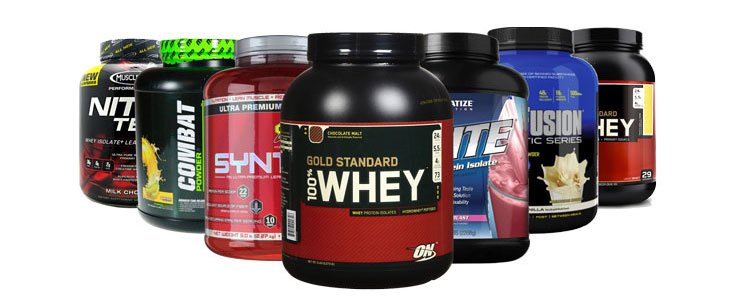
- Optimum Nutrition Gold Standard Whey
- 24g protein per serving
- Fast-absorbing whey protein isolate
- Mixes easily and tastes great
- MuscleBlaze Biozyme Performance Whey
- 50% higher protein absorption rate
- 25g protein per serving
- Enhanced with digestive enzymes
- MyProtein Impact Whey
- Clean ingredient profile
- 21g protein per serving
- Budget-friendly option
- Crazy Nutrition Tri-Protein
- Blend of fast and slow-release proteins
- 24g protein per serving
- Supports extended muscle recovery
- Dymatize ISO-100
- Zero lactose formula
- 25g protein per serving
- High in BCAAs
- BSN Syntha-6
- Multi-phase protein blend
- 22g protein per serving
- Great for meal replacement
- MuscleTech Nitro-Tech
- Added creatine for strength
- 30g protein per serving
- High leucine content
- PhD Diet Whey
- Low in calories
- 20g protein per serving
- Added fat-burning ingredients
- Rule 1 R1 Protein
- Pure whey isolate formula
- 25g protein per serving
- Zero added sugars
- Cellucor COR-Performance
- Quick-digesting formula
- 24g protein per serving
- Multiple flavor options
These proteins work best when taken within 2 hours after workouts. Each serving should be mixed with 8-12 ounces of water or milk.
Regular use combined with proper training helps build lean muscle mass. Users should follow the serving size on the label for best results.
Best Protein Powders for Fat Loss
Protein powder can support fat loss goals by helping control hunger and preserve muscle mass during a calorie deficit. The best options are typically low in calories and sugar while providing at least 20-25 grams of protein per serving.
Whey protein isolate stands out as a top choice for fat loss. It contains minimal fat and carbs while offering high-quality protein that absorbs quickly. Many people choose unflavored or naturally flavored versions to avoid artificial sweeteners.
Casein protein works well for fat loss too. Its slow-digesting nature helps people feel full longer between meals. Taking it before bed can provide steady protein while sleeping.
Plant-based options like pea protein and hemp protein blend offer good alternatives for those avoiding dairy. Look for options with less than 3 grams of sugar and at least 20 grams of protein per scoop.
Key features to look for:
- 20-25g protein per serving
- Less than 3g sugar
- Under 150 calories
- No artificial sweeteners
- Simple ingredient list
Some top protein powders that meet these criteria include:
- Optimum Nutrition Gold Standard Whey Isolate
- Dymatize ISO-100
- Garden of Life Raw Organic Protein
- MyProtein Impact Whey Isolate
- NOW Sports Pea Protein
How to Use Protein Powder Effectively
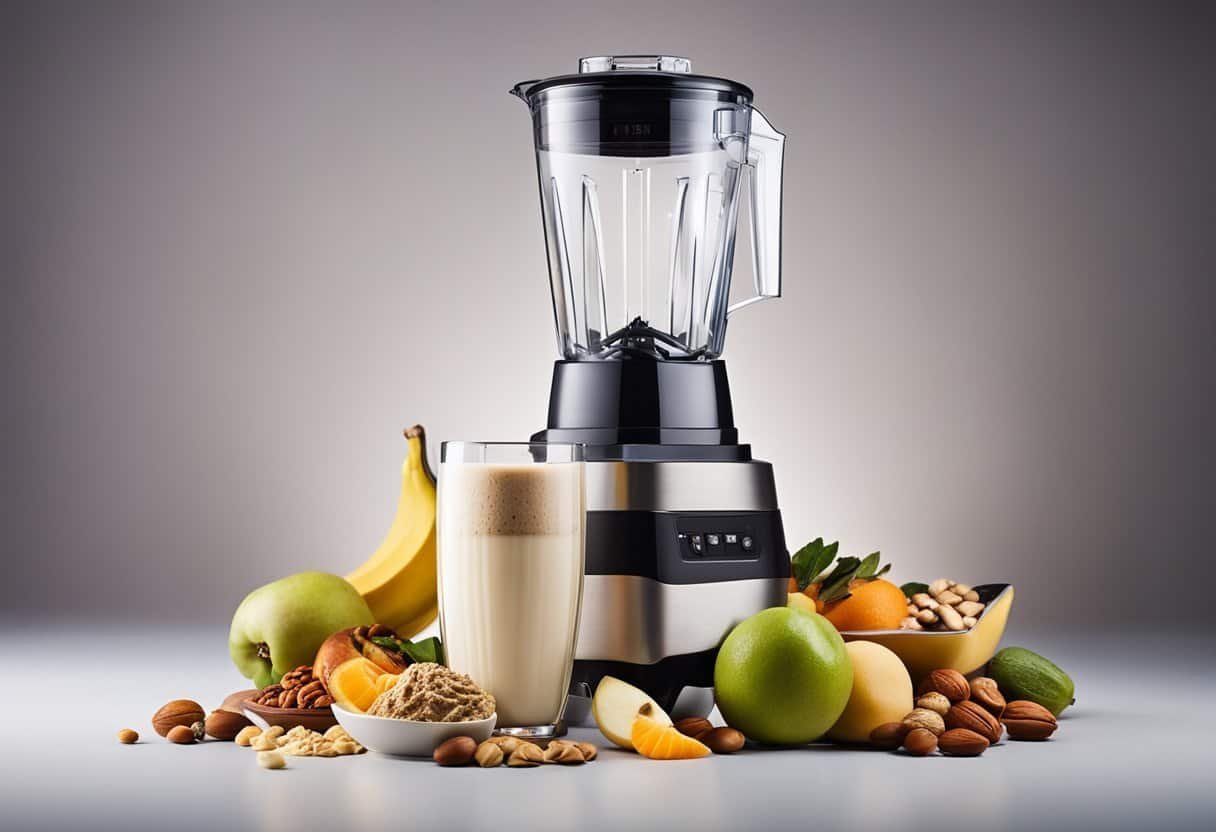
Getting the most benefit from protein powder requires smart timing, proper preparation, and the right balance with other nutrients. Strategic use can boost muscle growth and enhance workout recovery.
Timing Your Protein Intake
The best time to drink protein shakes is within 30 minutes after exercise. This timing helps muscles repair and grow effectively.
Taking 20-25 grams of protein before bed supports overnight muscle recovery. A casein protein shake works well for this purpose since it digests slowly.
Morning protein shakes can prevent muscle breakdown after the overnight fast. Mix the powder with milk or water and drink it with breakfast.
Protein Powder Recipes for Muscle Growth
Basic Post-Workout Shake
- 1 scoop protein powder
- 8-12 oz cold water or milk
- 1 banana
- Ice cubes
Muscle-Building Smoothie
- 1 scoop protein powder
- 1 cup Greek yogurt
- 1 cup berries
- 1 tablespoon nut butter
- Handful of spinach
Mix ingredients in a blender until smooth. Add water to adjust thickness.
Balancing Protein with Other Nutrients
Each protein shake should include carbohydrates for energy and muscle recovery. A 2:1 ratio of carbs to protein works well after workouts.
Healthy fats slow digestion and help vitamin absorption. Add 1-2 tablespoons of nut butter or avocado to shakes.
Fruits and vegetables provide important vitamins and minerals. Green smoothies made with protein powder offer extra nutrients for muscle growth.
Stay hydrated by drinking water between protein shakes. Aim for 3-4 liters of water daily when using protein supplements.
Potential Side Effects and Considerations
Protein powder supplements can cause several physical reactions and health concerns when not used properly. Safe consumption requires careful attention to individual sensitivities, proper hydration, and awareness of potential risks.
Understanding Allergens and Sensitivities
Many protein powders contain common allergens like dairy, soy, and eggs. Users must check ingredient labels carefully to avoid allergic reactions.
Whey protein can trigger digestive issues like bloating, gas, and stomach cramps in people with lactose intolerance.
Plant-based proteins might include soy or pea protein, which some people find hard to digest. These can cause similar digestive discomfort.
Importance of Hydration
Protein powder requires adequate water intake for proper digestion and absorption. Insufficient water can lead to dehydration and kidney stress.
The recommended water intake is 8-10 ounces per scoop of protein powder.
Drinking enough water helps prevent digestive issues and supports protein metabolism.
Limitations and Risks
Heavy metal contamination exists in some protein supplements. Third-party testing helps ensure product safety and quality.
Excessive protein intake may strain kidneys in people with existing kidney problems.
Some products contain added sugars, artificial sweeteners, or preservatives that can affect blood sugar levels.
High doses of protein supplements might interfere with calcium absorption and other nutrient uptake.
Comparing Plant-based vs. Animal-based Powders
Both plant and animal protein powders offer unique benefits and drawbacks for muscle growth and fat loss. Each type brings different nutritional profiles, environmental considerations, and absorption rates that affect their effectiveness.
Nutritional Differences
Animal-based proteins like whey contain all essential amino acids in optimal ratios. They typically provide 20-25 grams of protein per serving.
Plant proteins often need to be combined to create a complete amino acid profile. Pea protein mixed with rice protein creates a blend that matches whey’s amino acid content.
Most plant-based powders include extra fiber, with soy varieties offering up to 3 grams per serving. Animal proteins contain little to no fiber.
Plant proteins frequently include additional nutrients like iron and antioxidants. Whey protein concentrates contain small amounts of calcium and other dairy-based nutrients.
Environmental Impact
Plant-based protein production uses less water than animal protein manufacturing. A single serving of pea protein requires about 4 gallons of water to produce.
Animal protein production creates more greenhouse gas emissions. Whey protein manufacturing generates roughly 3 times more carbon emissions than pea protein.
Plant protein farms use less land space. Growing peas for protein powder needs 50% less farmland than dairy production for whey protein.
Digestibility and Accessibility
Whey protein digests quickly and mixes easily in liquids. It has a smooth texture and neutral taste that many users prefer.
Plant proteins can be grittier and harder to mix. Some people experience bloating when first switching to plant proteins.
Many plant proteins are allergen-friendly and suitable for those with dairy sensitivities. Common options include pea, hemp, and rice proteins.
The cost difference between plant and animal proteins varies by brand. Premium plant blends often cost more than basic whey concentrates.
How to Integrate Protein Powders into a Balanced Diet
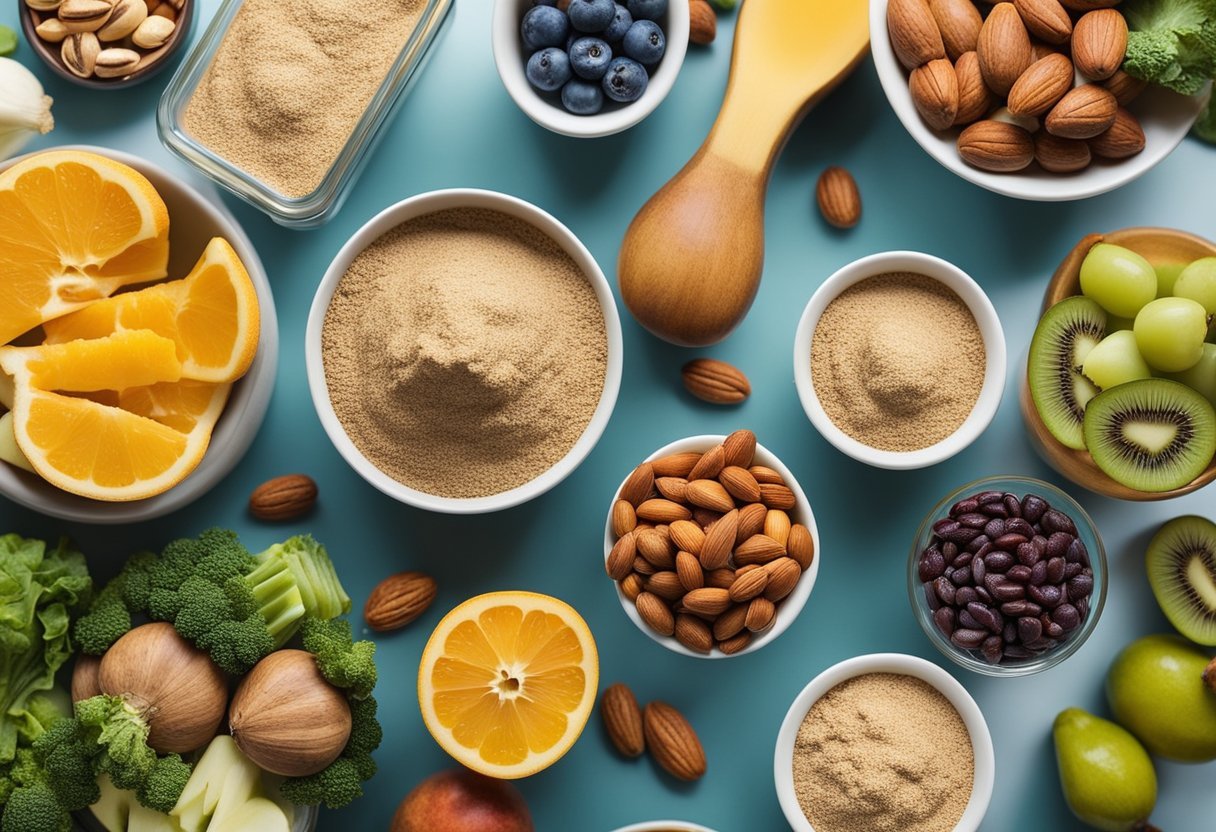
Adding protein powder to your daily meals is simple and flexible. Mix it with water, milk, or any liquid you prefer for a quick drink between meals.
Protein shakes work great as a post-workout recovery drink. Take them within 30 minutes after exercise to help with muscle repair and growth.
Blend protein powder into morning smoothies with fruits and vegetables for a nutritious breakfast. This creates a filling meal that provides energy for the day.
Mix protein powder into oatmeal, yogurt, or whole-grain cereals to boost their protein content. You can also add it to pancake batter or muffin recipes for protein-rich baked goods.
Best Times for Protein Intake:
- Morning breakfast
- Post-workout recovery
- Between main meals
- Before bedtime (especially casein protein)
Start with one scoop per serving and adjust based on your needs. Most people benefit from 20-30 grams of protein per serving.
Track your total daily protein intake from both food and supplements. Aim for 0.8-1 gram of protein per pound of body weight if you exercise regularly.
Remember that protein powder supplements your diet – they don’t replace whole food protein sources like meat, fish, eggs, and legumes.
Smart supplementation and a balanced approach can enhance muscle growth and fat loss results when combined with protein powder.